
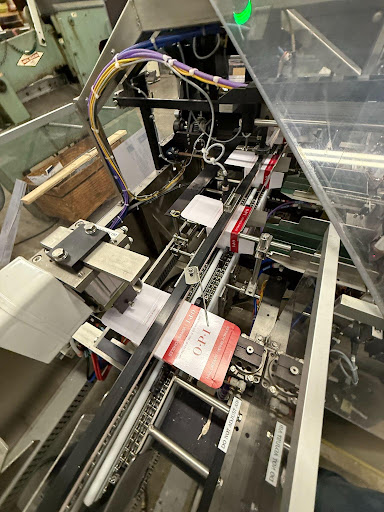
Our machines are built to last, but a sturdy design will only go so far in secondary packaging. A poorly run or maintained cartoner or case packer can have a shorter lifespan and more frequent interruptions, leading to lost production and wasted materials
The good news is that it isn't inevitable and you can make a real difference in keeping your secondary packaging equipment running reliably. We’ll explore ways to increase the longevity and reliability of your downstream machines by:
- Staying ahead of wear and tear with routine inspections
- Giving operators the right training for proper operation and changeovers
- Following your machine's recommended maintenance requirements
- Knowing when to call the manufacturer for parts and technical support
When you take care of your equipment, you’ll get the most out of your investment. First, let’s learn why secondary packaging machines go down and what those interruptions can cost your operation.
Why downtime is so costly downstream
When a machine breaks down on a secondary packaging line, the costs can compound. It can disrupt an entire shift and create problems that continue even after the equipment is running again.
It's easy to see how those costs add up:
- Production slows or stops. Every minute of unplanned downtime can mean fewer products getting packaged. Depending on your line, other equipment could be forced to slow down or stop as well.
- Employees and materials are affected. Operators may be left waiting while maintenance personnel troubleshoot the issue. Jams or equipment malfunctions can also cause damaged cartons, wasted products, and additional cleanup.
- Production schedules fall behind. Once your line is running again, there's still lost time to make up. That could mean overtime, additional shifts, or delayed customer orders.
- Repair costs add to the problem. Replacement parts, emergency service, and repair labor can make an unexpected breakdown even more costly.
The longer equipment stays down, the harder it can be to recover lost production. Getting the machine running again is important, but understanding what caused the interruption can help prevent the same problem from happening again.
What causes breakdowns in secondary packaging?
Major failures do happen, but many machine problems start with something smaller and possibly preventable. Understanding why these problems happen can help you recognize warning signs earlier and prevent minor issues from becoming costly interruptions.
Improper Setup and Changeovers
Packaging equipment needs to be properly configured for the products and packaging materials being handled. Incomplete changeovers or incorrect adjustments can lead to jams, inconsistent packaging, and unnecessary stoppages. If a step gets missed, parts that haven't been properly adjusted can even collide during operation and cause damage to the machine.
Operator Error
Even experienced operators need proper training when working with unfamiliar settings, features, or operating procedures. Problems can also go unnoticed when operators don't recognize unusual machine behavior or communicate concerns between shifts.
Missed Maintenance
When production schedules get busy, it's tempting to push maintenance tasks to another day. Delaying a routine inspection or cleaning may seem like nothing until it becomes something. Following the maintenance requirements for your specific machine helps keep important tasks from falling through the cracks.
Unexpected Mechanical or Electrical Problems
Unfortunately, some breakdown events can’t be prevented. Components can fail unexpectedly, and electrical or control-related issues can sometimes interrupt production without much warning. These problems may require additional troubleshooting or professional service to identify the cause and determine the appropriate repair.
While some downtime is unavoidable, many of these common causes can be addressed through better operating habits and consistent equipment care. That's where a proactive maintenance approach makes a difference.
Best practices for extending your equipment’s lifespan
Getting the most out of your cartoner or case packer comes down to consistent care and attention. Operators and maintenance teams can help identify problems early and keep equipment performing reliably.
Here are some practices that could help your team catch problems early and avoid unnecessary interruptions:
- Make inspections a regular habit. Watch for unusual noises, recurring jams, visible wear, or changes in packaging quality. Encourage operators to report warning signs before they become bigger problems.
- Invest in proper operator training. Make sure employees understand approved startup and shutdown procedures, machine settings, and changeover requirements. They should also know when to involve maintenance personnel.
- Stick to your machine's maintenance recommendations. Follow OEM instructions specific to your equipment for cleaning, lubrication, inspections, and component replacement. If you have questions about your Econocorp machine, reach out to us anytime.
- Keep track of maintenance and repairs. Document completed service, replacement parts, and recurring issues to help identify patterns and plan future maintenance.
- Consider a planned maintenance contract. You don't have to handle every maintenance concern on your own. Econocorp offers planned maintenance contracts with scheduled on-site technician visits based on your operation's needs. During these visits, our service technicians can go through your machine, provide training, recommend parts that may need replacing, and check that everything is operating properly.
What to do when a packaging machine malfunctions?
- First, you’ll want to identify the problem safely before trying to repair it. Note what happened before the machine stopped. Was there an unusual noise, a recurring jam, or a change in packaging quality? Did the issue follow a changeover? Documenting these details and any error messages can help maintenance personnel narrow down the cause.
- Follow your machine's approved troubleshooting procedures. Operators should only perform tasks they're trained and authorized to complete. Repairs involving hazardous energy or electrical risks require qualified personnel and appropriate safety procedures.
- If your team can't resolve the problem, contact the manufacturer with your machine's model and serial number, a description of the issue, and relevant maintenance history. This information can help technicians recommend next steps for support.
Support from the team that built your machine
At Econocorp, our relationship with customers isn’t over when a machine leaves our Randolph, Massachusetts facility. Our support team provides technical service and replacement parts to help our customers care for their equipment throughout its operating life. We stock standard replacement parts in-house and recommend keeping some spare parts on your own shelf, too, so you’re not stuck waiting when something needs replacing.
We are proud to support customers in all 50 states and over 100 countries worldwide!
When your Econocorp equipment needs additional attention, our team is here to help. Contact us for technical assistance, troubleshooting, or help finding the replacement parts your machine needs